This piece was originally published by The Economist.
June 28, 2017
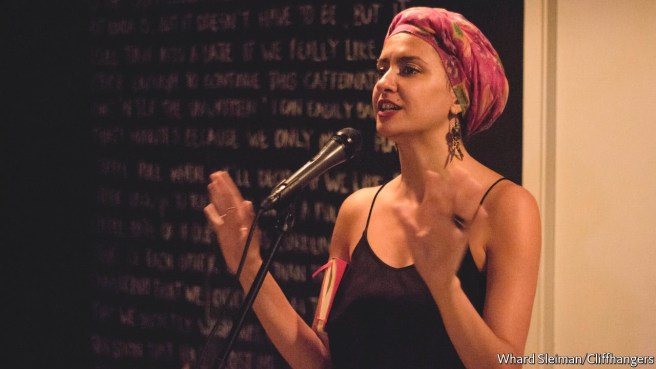
MARAM, an eloquent 14-year-old from Ain el-Hilweh, Lebanon’s largest Palestinian refugee camp, stood behind the microphone and began her story. After a minute she faltered, flushing as she turned to a lady in the front row for her hand-written notes. The audience burst into a round of spontaneous applause, calling out words of encouragement. One of five storytellers to speak on the theme of “Borders, Frontiers and Road Blocks” at the June edition of the Hakaya Storytelling Night in Beirut, Maram shared her feelings on the stigmatisation she faces growing up as a Palestinian refugee in Lebanon.
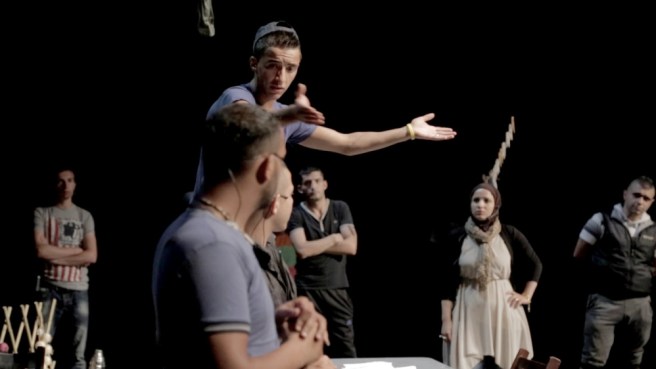
Hakawatis—storytellers—have historically been an integral part of Middle Eastern culture, orating popular myths and fables to audiences in cafés and public squares. In Beirut, where the tradition of public storytelling has faded in recent decades, a new phenomenon is drawing crowds: autobiographical storytelling events where participants share their experiences on a theme such as “love”, “transition” or “roots”.




 India Stoughton